
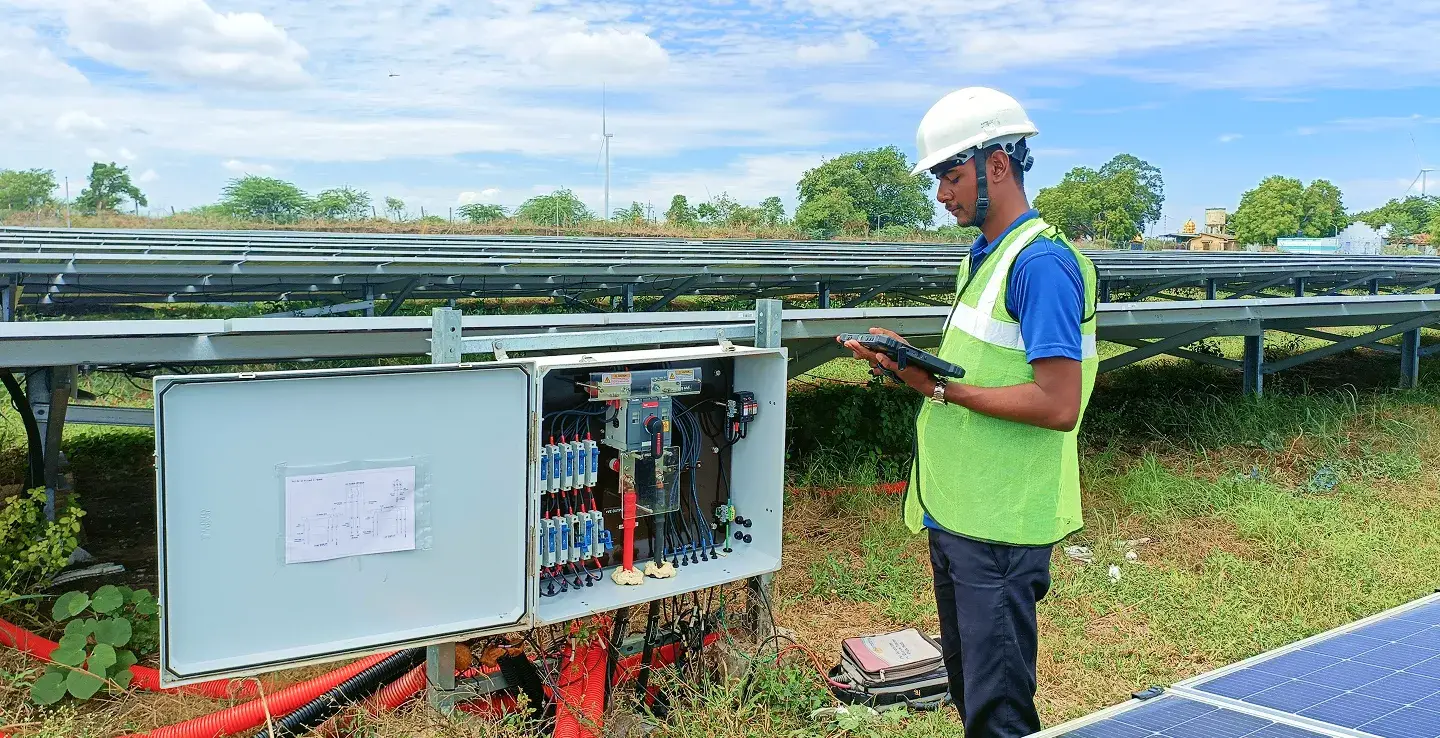
I-V CURVE TRACING & DEGRADATION MEASUREMENT
Ensuring optimum performance of asset
What is I-V curve tracing?
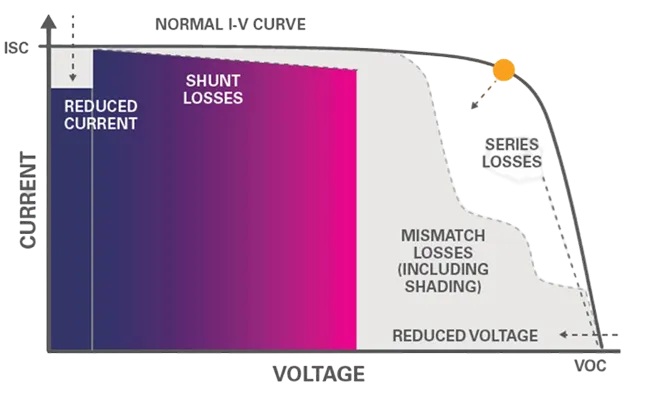
I-V curve tracing measures the real power output of a solar PV module in the field and compares it with the manufacturer's warranted values to show how much the module has degraded.
Service Highlights
Efficient performance of PV power plant asset is mandatory to successfully achieve financial targets. PV module play a major role in creating a major impact in PV plant’s performance. Deviation of 1% from warranted power will impact a huge role in financial performance of a project. JSR Photonics’ I-V curve tracing and degradation measurement offers accurate measurement of PV module’s performance on field and compares it directly with OEM’s warranted terms to identify different areas of non / low performing asset.
Our solution
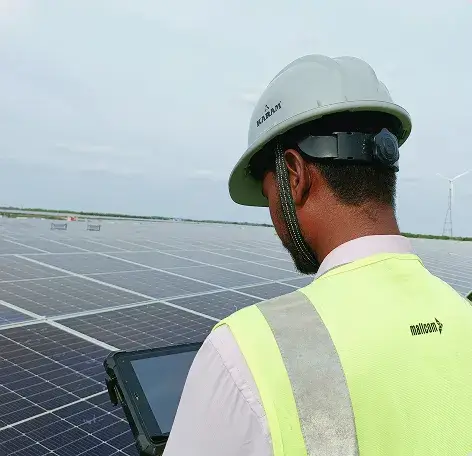
We measure on-field on structure mounted PV module or at SCB or inverter end in real field conditions, extrapolate measurements to STC as per IEC 60891, and classify results into degradation ranges to prioritize actions.
Benefits of I-V Tracing & Degradation Measurement
- Fast inspection times
- Reduced cost through field-level inspection
- Accurate inspection data and clear reports
- Assurance of PV module performance as per OEM warranty
- Helps initiate PV module performance warranty claims
- Clear view on asset performance comparison
- Prioritize actions affecting performance
Testing at various stages of PV plant life cycle
- Testing after commissioning assures efficient commissioning of PV plant
- Yearly testing validates PV module performance against OEM degradation policy
- End-of-warranty testing helps file final claims before warranty expiration
- Testing in insurance cases supports strong technical representation
WHY
Partner With us
Proven track record
Tested more than 2 GW plant performance. Trusted by India’s leading IPPs
Technology driven
JSR Photonics uses latest instruments and develops software for clear reporting and easy access.
Leverage JSR Photonics’ proven expertise and independent approach to ensure the long-term performance and reliability of solar assets.
Why does I-V curve tracing matter?
I-V curve tracing matters because a deviation of even 1% from warranted power has a large effect on the financial performance of a solar project. It shows which PV modules are under-performing against the OEM's warranted terms, so you can act on them.
What does an I-V curve test show about module degradation?
Degradation is the gradual loss of a PV module's power output over time. I-V curve testing measures the module's real power output in the field and compares it directly with the OEM's (module manufacturer's) warranted terms, showing whether the module stays within its warranted degradation.
How is I-V curve measurement done in the field?
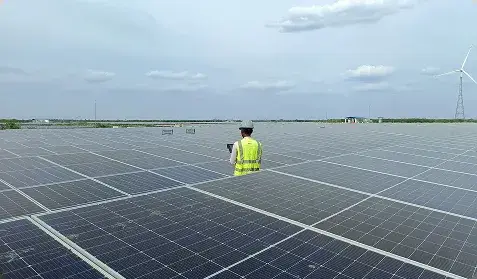
JSR Photonics measures on-field, either on modules mounted on the structure or at the SCB (string combiner box) or inverter end, in real field conditions. Field-level testing keeps inspection fast and reduces cost. The results are then extrapolated to STC and classified into degradation ranges.
What are STC and IEC 60891, and why are they used?
STC means Standard Test Conditions, a fixed reference for irradiance and temperature. IEC 60891 is the standard for correcting measured I-V curves to those conditions. JSR Photonics uses it to extrapolate field measurements to STC, so they can be compared with the module's rated power.
How are I-V test results classified and reported?
Results are classified into degradation ranges, so you can see which modules or strings need action first. JSR Photonics provides accurate inspection data and clear reports, using software it develops for clear reporting and easy access.
When should I-V curve testing be done?
I-V curve testing is done after commissioning to assure efficient commissioning, yearly to validate module performance against the OEM degradation policy, at end of warranty to file final claims before the warranty expires, and in insurance cases to support a strong technical representation.
Can I-V curve test results support a warranty claim?
Yes. Measured results are compared directly with the OEM's warranted terms, which helps initiate PV module performance warranty claims. End-of-warranty testing helps file final claims before the warranty expires.
How much plant capacity has JSR Photonics tested?
JSR Photonics has tested the performance of more than 2 GW of solar plants and is trusted by India's leading IPPs.
Is JSR Photonics accredited?
Yes. JSR Photonics is a NABCB-accredited Type 'A' inspection body, accredited to ISO/IEC 17020:2012. As an independent third-party inspector, its findings are impartial.