
Transmission Line Inspection
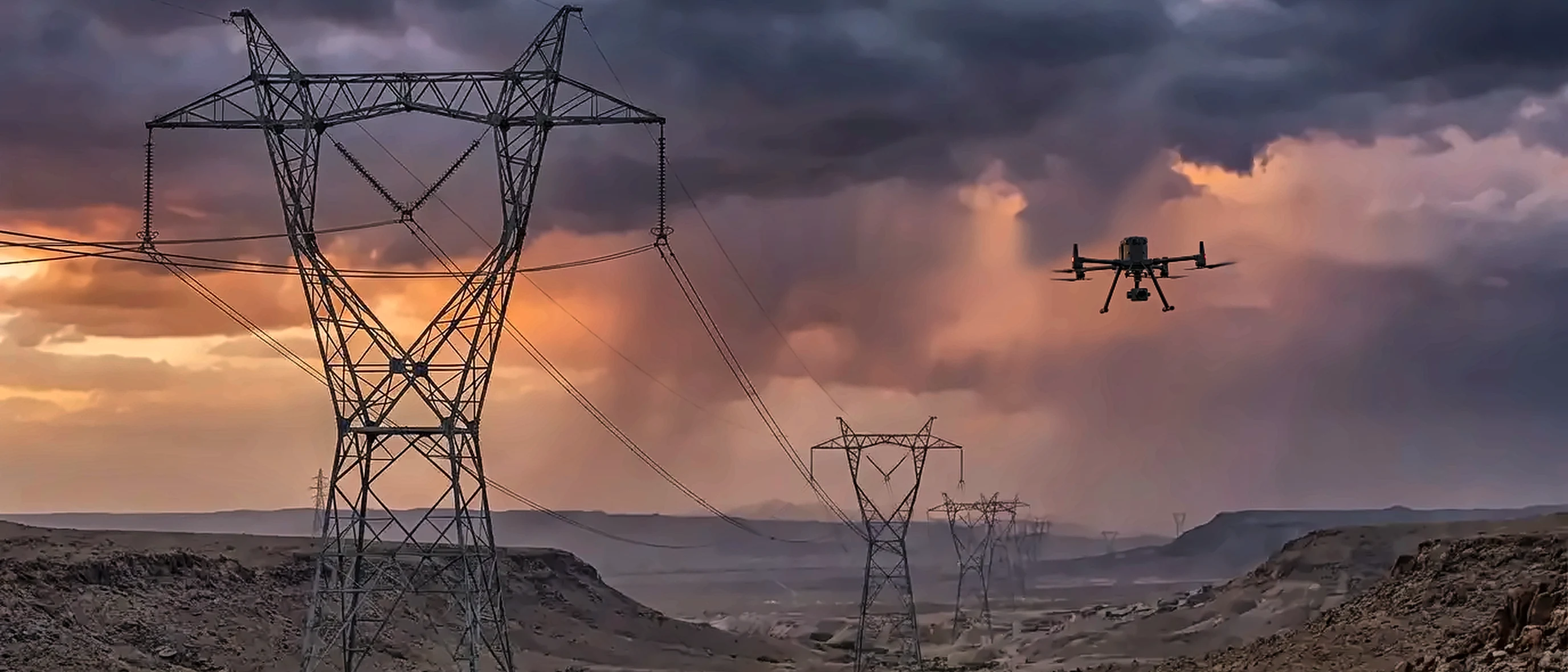
Drone-based tower inspection that finds damage and overheating without anyone climbing the tower.
What is transmission line inspection?
Transmission line inspection checks the towers and hardware that carry high-voltage power for damage, wear and overheating. JSR Photonics does this with drones carrying visual and thermal cameras, so nobody needs to climb the tower.
Service Highlights
Transmission towers face weather, corrosion and electrical stress for decades. A small fault in an insulator, clamp or jumper can grow into an outage. JSR Photonics uses drones with high-resolution visual and thermal cameras to examine each tower from the air, record the condition of every part, and show you which towers need attention first.
Our solution
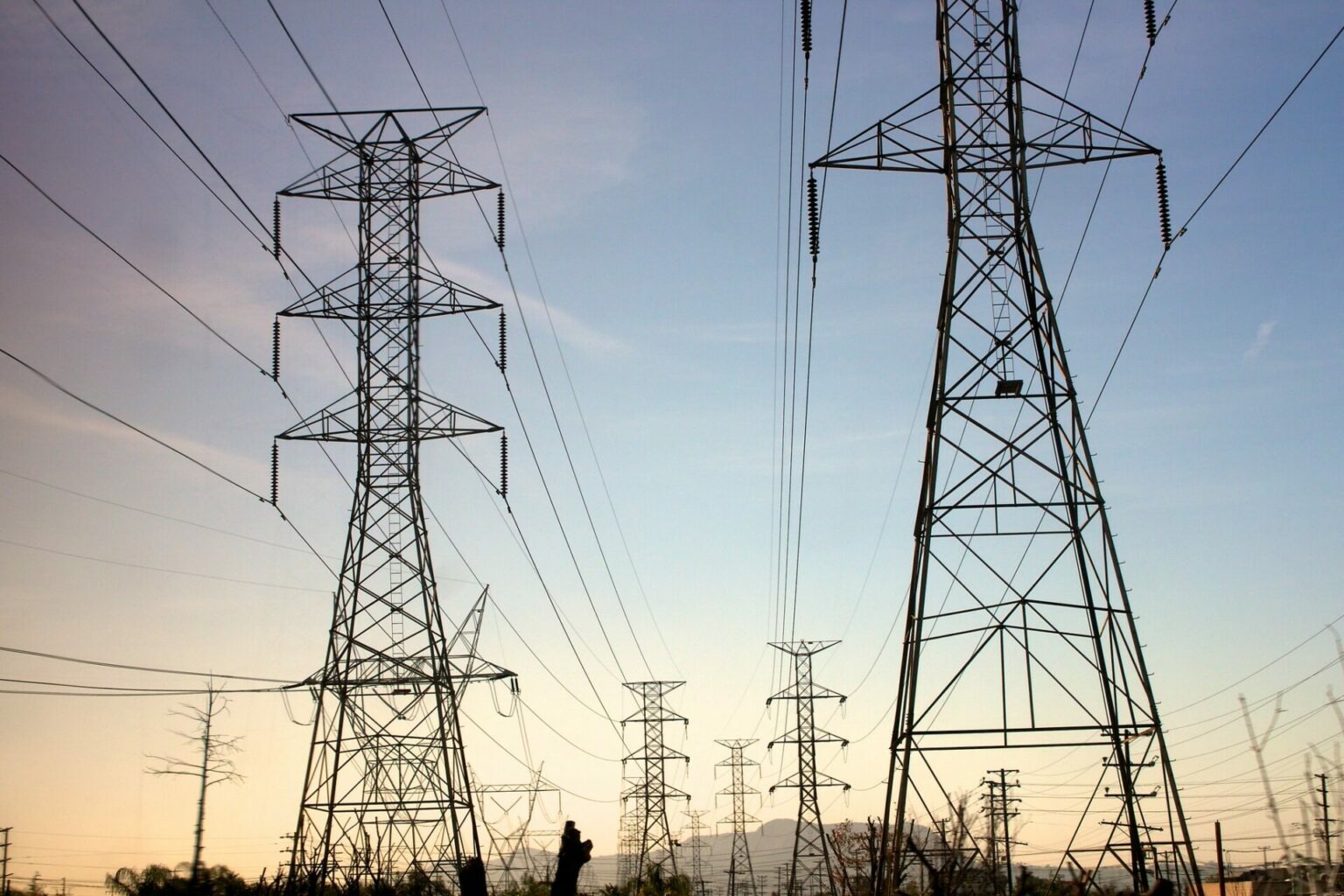
We map the line, fly each tower from several angles, and study the images to find structural damage and hot joints. Every finding is linked to the tower and the part, with a severity level, so your maintenance team can go straight to the problem.
What we inspect
- Insulator strings – cracks, flashover marks and dirt
- Arcing horns – damage or misalignment
- Jumpers and ground-wire jumpers – loose or hot connections
- Corona rings – damage or displacement
- Strain clamps – looseness and wear
- Vibration dampers – missing or damaged units
- Spacers – condition and position
- Cross arms – structural condition and corrosion
- Tower body – overall structural condition
- Foundation and legs – corrosion, cracks and erosion
- Earthing, signage and fencing – earth wire continuity, anti-climb fencing, danger signs and name boards
Benefits
- No tower climbing, so your people stay safe.
- Faster than manual inspection across many towers.
- Thermal scanning of joints and connectors spots overheating before it causes a failure.
- Tower-wise findings with severity help you plan maintenance with real data.
WHY
Partner With us
Quick deployment
Our team can be mobilised within 48 hours of communication in most key locations in India.
Reports on cloud
Findings are organised tower by tower, available on your mobile app and stored on the cloud for lifelong access.
Independent view
JSR Photonics is an independent, NABCB-accredited inspection body, so the findings are impartial.
Leverage JSR Photonics’ independent approach to keep your transmission assets reliable and your teams safe.
Does the transmission line need to be shut down for inspection?
Drone inspection is carried out from a safe distance and does not require anyone to climb the tower. Whether a line can remain energised depends on your utility's safety rules and operating practice, so we agree the approach with you before the flight.
Does the inspection cover the full tower or only specific components?
It covers the tower component by component: insulator strings, arcing horns, jumpers and ground-wire jumpers, corona rings, strain clamps, vibration dampers, spacers, cross arms, the tower body, foundation and legs, and earthing, signage and fencing. Thermal scanning of joints and connectors is added to check for overheating.
How is drone inspection safer than manual tower climbing?
Manual inspection means people working at height on high-voltage structures, which carries real safety risk. A drone captures images from the air, so no one has to climb the tower. This lowers the risk to your team and makes it practical to inspect many towers in less time.
Can drone inspection detect problems before they cause a failure?
Yes. Thermal imaging shows loose connections and overheating joints, which are early warning signs that are hard to see from the ground. Visual images show cracks, corrosion, missing parts and damaged hardware. Finding these early lets you plan repairs before they become outages.
What report do I receive after a transmission line inspection?
You receive a tower-wise report showing the findings for each tower, including images and the component affected, so your maintenance team knows exactly where to go and what to check. Thermal findings are reported with the measured temperature.
Can I check the thermal readings myself?
Yes. Thermal findings are reported with the measured temperature behind them, so your engineers can review the actual values and judge the findings with their own standards.
When should transmission towers be inspected?
Common times are before commissioning or handover, as part of a regular maintenance schedule, and after storms, faults or other events that may have damaged the line. The right frequency depends on the age of the line, the local environment and your utility's maintenance policy.